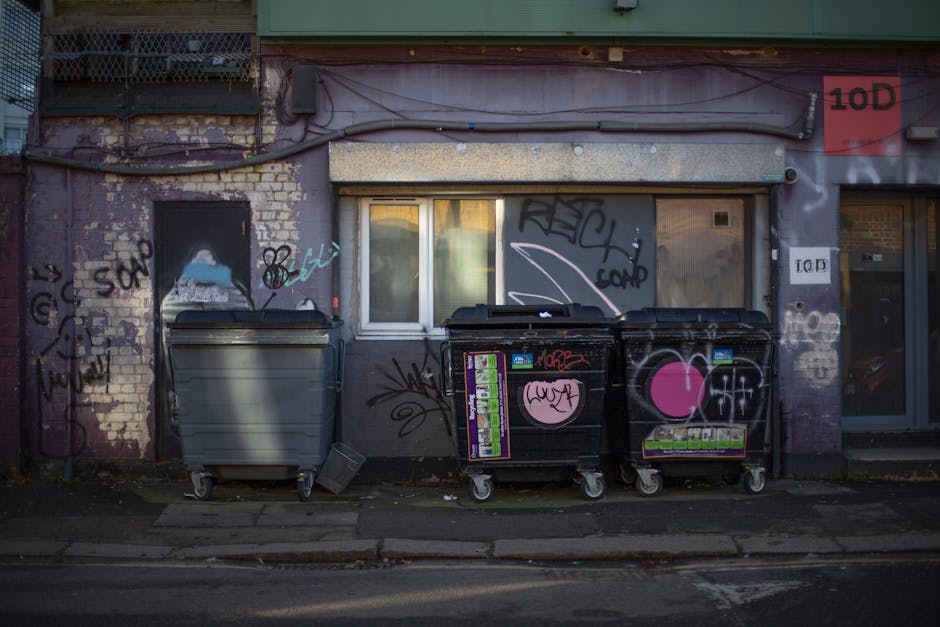
Upper Holloway skip alternative for small rubbish jobs: the smarter way to clear a little waste
If you only have a few bags, a broken chair, some flat-pack offcuts, or a bit of garden mess, a full skip can feel like overkill. That is exactly where an Upper Holloway skip alternative for small rubbish jobs makes sense. It gives you a quicker, tidier, often more flexible way to clear waste without paying for space you do not need or waiting around for a skip permit, a pavement issue, or a half-empty container sitting outside your home. Truth be told, for small clearances, the simpler route is usually the better one.
In this guide, we will look at how small-job rubbish removal works in Upper Holloway, what to choose instead of a skip, when it is worth using a waste clearance service, and how to avoid the common mistakes that make a small job feel bigger than it really is. We will also cover safety, compliance, and a practical checklist so you can make the right call with confidence.
Table of Contents
- Why it matters
- How it works
- Key benefits and practical advantages
- Who this is for and when it makes sense
- Step-by-step guidance
- Expert tips for better results
- Common mistakes to avoid
- Tools, resources and recommendations
- Law, compliance, standards, or best practice
- Options, methods, or comparison table
- Case study or real-world example
- Practical checklist
- Conclusion
- Frequently asked questions
Why Upper Holloway skip alternative for small rubbish jobs Matters
Small rubbish jobs are easy to underestimate. A few black bags, a dismantled wardrobe, some old shelving, and a cracked planter can turn into a pile that blocks a hallway or clutters a front step. If you are in a terrace, a flat, or a street with limited space around Upper Holloway, the skip option often creates more hassle than help. You may need room on the road, think about access, and make sure the container does not sit there longer than necessary.
A skip alternative matters because it matches the job to the solution. That sounds obvious, but it is where many people go wrong. For a small clearance, you usually want speed, a neat finish, and a collection method that does not dominate your week. If you have ever stood in the doorway thinking, "This is only a couple of items, why does it feel so complicated?", then yes, you are the exact sort of person this approach is for.
It also matters from a practical standpoint. Small jobs often happen at awkward times: after a room refresh, before guests arrive, after a quick DIY repair, or when a cupboard finally gives up the ghost. In those moments, you want the rubbish gone, not a week-long project built around it.
How Upper Holloway skip alternative for small rubbish jobs Works
The basic idea is straightforward. Instead of hiring a skip and managing the container yourself, you arrange a collection service that removes the waste directly from your property or a nearby access point. The team comes, loads the items, and takes them away for sorting, reuse, or disposal. No waiting for a skip to be dropped off. No trying to guess whether your pile is worth a 4-yard skip or something else. Much less faff.
For small loads, this often means:
- you describe the waste in plain language or share a photo
- a quote is provided based on the amount and type of waste
- a collection window is arranged
- the items are lifted and removed from the agreed location
- the waste is then processed appropriately, with recyclable materials separated where possible
This approach can suit single-item removals, mixed household waste, and modest clearances that do not justify a full skip. If you are clearing a room, it can also work alongside broader services like home clearance or, for more specific needs, furniture disposal. For awkward appliances, the dedicated fridge and appliance removal service is often the cleaner choice.
The real advantage is that the waste moves out quickly. You are not storing it, guarding it, or wondering whether the rain will flatten the boxes by evening. Small jobs should feel small. This keeps them that way.
Key Benefits and Practical Advantages
There are several reasons people in Upper Holloway choose a skip alternative for smaller rubbish jobs, and the benefits are more practical than flashy.
- Less disruption: no container taking up road or driveway space for days on end.
- Faster turnaround: useful if you want the area cleared the same day or soon after.
- Better fit for small loads: you are not paying for a mostly empty skip.
- Help with lifting: helpful for bulky bits like chairs, drawers, or old garden waste.
- Cleaner presentation: especially important in front gardens, shared entrances, and narrow streets.
- More flexibility: better for awkward access, upstairs flats, or scattered waste inside a property.
There is another benefit people do not always think about: decision fatigue drops away. You do not need to calculate how many cubic yards of waste you have while standing next to a pile of old paint tins and cardboard. A good small-job clearance is designed to remove guesswork. That alone can be worth a lot when life is already full enough.
In some cases, the best choice is actually a targeted service rather than general rubbish removal. For example, garden cuttings and broken pots may suit garden clearance, while a few items from a cluttered box room might fit naturally into flat clearance. Matching the job to the service keeps costs sensible and avoids paying for features you do not need.
Who This Is For and When It Makes Sense
This kind of skip alternative is especially useful if your rubbish job is small, awkward, or time-sensitive. It tends to make the most sense for:
- tenants clearing a few unwanted items before moving out
- homeowners doing a light declutter after a room refresh
- landlords dealing with leftover waste between lets
- small businesses clearing a few office items or archive boxes
- people replacing a sofa, mattress, or appliance
- anyone in a property with limited access or no easy skip placement
It is also a strong option when the waste is spread out across the home. Maybe the spare room has some packaging, the shed has a broken shelf, and the hallway has an old rug rolled up in the corner. A collection service can deal with all of that in one visit, which is far more sensible than dragging everything outside first.
For bigger clearances, a skip alternative still works, but only up to a point. If you are removing several rooms of furniture or clearing a full loft, a more specific service such as loft clearance, house clearance, or even builders waste clearance may be a better fit. The point is not to force everything into one box. The point is to choose the cleanest route for the actual job.
Step-by-Step Guidance
If you want a smooth experience, keep the process simple and structured. Here is the most reliable way to handle a small rubbish job in Upper Holloway.
- Separate the waste by type. Put furniture, bagged waste, cardboard, wood, and anything questionable into rough groups. You do not need perfect sorting, just enough to see what you are dealing with.
- Identify bulky or unusual items early. Mattresses, fridges, sofas, and electricals often need different handling. If any of those are included, check the right service before booking.
- Take a clear photo if possible. It helps with pricing and avoids awkward surprises on the day.
- Measure the access point. Tight stairwells, basement steps, and narrow side returns can matter. One small item can become a big lift if the route is awkward.
- Ask how the waste will be handled. A clear, responsible service should be able to explain what happens next in plain English.
- Book a time that suits the property. If you live in a shared building, choose a slot that reduces disruption for neighbours.
- Keep the load accessible. A little preparation saves time. Stack the items safely and avoid blocking exits.
- Confirm payment and paperwork before the visit. Simple, clear terms make everything easier later.
A quick story, since this happens all the time: someone clears out a cupboard, then another cupboard, then suddenly three bags, a broken desk chair, and a disused printer appear like they were hiding from the light. It is never really "just one bag," is it? Planning for that little snowball effect helps a lot.
Expert Tips for Better Results
Small waste jobs are not difficult, but they do reward a bit of know-how. A few simple habits can save money and reduce stress.
- Use the smallest suitable solution. If you only have a light load, do not jump straight to a larger option because it feels safer.
- Keep reusable items separate. If something is still usable, set it aside before loading the waste. That prevents accidental disposal and can reduce the volume you pay for.
- Combine similar jobs. If you are already clearing a room, include the extra bag of waste rather than arranging another visit later.
- Be honest about heavy materials. Soil, rubble, and tiles can change how a job is handled. Say so up front.
- Think about timing. Early collections are often calmer, especially if access is tight or neighbours are sensitive to noise.
- Read the fine print on accepted waste. If you are unsure, check the provider's guidance on what can go in a skip and what should be kept separate.
If you are dealing with mixed household items, it can help to use a broader service like waste removal for the general load and then handle special items separately. That is often cleaner than forcing odd waste into one booking and hoping it all works out. Hope is not a method, after all.
Common Mistakes to Avoid
Most problems with small rubbish jobs come from poor planning rather than the job itself. Here are the mistakes we see most often.
- Ordering too much capacity: paying for a larger skip or service level than you need.
- Leaving it too late: small piles become clutter when they sit for weeks.
- Mixing restricted items with general waste: this can cause delays or extra charges.
- Assuming all waste is handled the same way: sofas, fridges, confidential papers, and DIY debris are not all the same thing.
- Ignoring access problems: a narrow stair or a steep front path can affect collection time and ease.
- Not checking building rules: in flats or managed properties, there may be rules about shared entrances, timings, or waste storage.
One small but common error: people sometimes hide a heavy item under lighter bags and then act surprised when the load is awkward. Not ideal. It is much better to describe the full picture accurately from the start.
Tools, Resources and Recommendations
You do not need fancy equipment for a small rubbish job, but a few basic tools make the work easier and safer.
- Heavy-duty rubbish sacks: useful for mixed light waste and broken household bits.
- Work gloves: handy for sharp edges, dust, and splinters.
- Moving blanket or old sheet: helpful if you are protecting floors or stairs.
- Box cutter or screwdriver: useful for safely dismantling flat-pack furniture.
- Tape and marker: good for labelling bags or keeping small parts together.
- Phone camera: quick photos help when requesting pricing or advice.
On the service side, a few pages on the same site may be useful depending on what you are removing. For household clearances, house clearance and home clearance are worth looking at. For particular furniture items, mattress and sofa disposal can be more appropriate than a general job. If the waste is business-related, business waste removal may be the more sensible route.
If you want to understand the difference between acceptable items and awkward ones, the page on what can go in a skip is a useful starting point. It gives you a practical framework, even if you are not hiring a skip at all.
Law, Compliance, Standards, or Best Practice
With rubbish removal, the main compliance point is simple: waste should be managed responsibly and taken only by people who are authorised to do so. In the UK, households and businesses both have a duty to make sensible choices about where waste goes. That does not mean you need to know every technical detail, but it does mean you should be careful about who handles your rubbish and how it is described.
For small jobs, best practice usually looks like this:
- do not include hazardous items unless the service explicitly accepts them
- be accurate about the waste type and quantity
- keep electrical items and appliances separate if required
- ask questions if you are unsure about disposal routes
- avoid fly-tipping risks by using a proper, traceable collection service
There is also a practical safety angle. Sharp edges, broken glass, and heavy lifting can cause nuisance injuries quickly, especially during an evening clear-out when everyone is tired and just wants the job done. A calm, well-planned collection is simply safer. For reassurance on how a provider approaches these issues, you can review pages such as health and safety policy, insurance and safety, and hazardous waste disposal.
That last one matters more than people think. Some items should never be mixed casually with general rubbish. If in doubt, ask first. It is quicker than fixing a mistake later.
Options, Methods, or Comparison Table
If you are weighing up the best way to clear a small load in Upper Holloway, this quick comparison can help.
| Option | Best for | Pros | Limitations |
|---|---|---|---|
| Small rubbish collection | Few bags, mixed household waste, one-off items | Fast, flexible, minimal disruption | May not suit very large volumes |
| Skip hire | Larger DIY or renovation loads | Useful for ongoing loading over several days | Needs space, may involve a permit, can be wasteful for tiny jobs |
| Specialist item disposal | Sofas, mattresses, fridges, appliances | Good for specific, awkward items | Not ideal for mixed general rubbish |
| Room or property clearance | Flats, lofts, houses, offices, garages | Comprehensive, saves multiple trips | Usually more than you need for a tiny load |
For a truly small job, the middle two lines on that table are usually the key. If the load is awkward or item-specific, go specialist. If it is just a bit of mixed waste, a direct collection usually wins. Simple, really.
Case Study or Real-World Example
Imagine a top-floor flat in Upper Holloway with a narrow stairwell, a small hallway, and a couple of items left over after a weekend tidy-up: two bin bags, an old coffee table, a broken shelf, and a tired office chair. A skip would be possible, but it would be awkward. Space outside is limited, access is tight, and the tenant does not want a container outside the building for days.
In that situation, a skip alternative makes far more sense. The waste is brought to the ground floor if needed, the bulky pieces are lifted out, and the whole lot is cleared in one visit. The hallway is usable again, neighbours are not navigating around a metal box, and the job is finished before lunch. Small job, yes. But the difference in ease is huge.
Now compare that with a garden shed clear-out: half a bag of clippings, a damaged trug, a rusted shelf, and some broken pots. That might be better handled with garage clearance or garden clearance, depending on where the waste is coming from. The right method saves time because it matches the actual task, not the idea of the task.
Practical Checklist
Use this before you book or arrange your collection.
- Have I separated the waste into obvious groups?
- Do I know whether there are any bulky or specialist items?
- Have I checked access routes, stairs, and parking constraints?
- Is the volume small enough to avoid a skip?
- Have I taken a photo or made a simple list of items?
- Do I know if any items need specialist handling?
- Have I checked the provider's booking, pricing, and payment details?
- Is the collection time convenient for the building or neighbours?
- Am I confident the waste will be handled responsibly?
- Do I know the next sensible step if the job turns out to be bigger than expected?
If you can tick most of those off, you are in good shape. If not, pause for ten minutes and sort the load properly. Honestly, that tiny bit of prep usually pays for itself in reduced stress alone.
Conclusion
An Upper Holloway skip alternative for small rubbish jobs is really about common sense. If your waste is modest, awkward, or just not worth a full skip, a direct collection approach can be quicker, cleaner, and easier to live with. It keeps your home, flat, or business moving instead of turning a small task into a bigger project than necessary.
The best results come from matching the service to the job, being honest about what you need removed, and preparing the waste so it can be handled safely. That is the whole game, really. Keep it simple, keep it accurate, and the rest tends to fall into place.
If you are ready to clear a small pile of rubbish without the hassle of skip hire, explore the relevant service pages, review your options, and choose the route that suits your space and timetable.
Get a free quote today and see how much you can save.
Frequently Asked Questions
What is the best skip alternative for a small rubbish job in Upper Holloway?
For a small load, direct rubbish collection is usually the best alternative. It is often quicker and more practical than arranging a skip, especially where access is tight or the waste amount is modest.
Is a skip alternative cheaper than hiring a skip?
It often can be for small jobs, because you are not paying for unused capacity. The final cost depends on the waste type, volume, and access, so it is sensible to ask for a clear quote.
Can I use a skip alternative for a few bags of rubbish?
Yes. A few bags of general waste are exactly the sort of thing this approach is designed for. It keeps the process simple and avoids the inconvenience of a skip for a very small load.
What happens if I have one bulky item and some small bags?
That is common. A collection service can usually remove mixed waste in one go, as long as the bulky item is accepted and you mention it up front. Sofas, mattresses, and appliances may need specialist handling.
Do I need to sort the rubbish before collection?
Basic sorting helps, but you do not usually need to be perfect. Keep obvious categories together and separate anything unusual, hazardous, or specialist if you are not sure how it should be handled.
Is a skip alternative suitable for flats and upper floors?
Yes, often it is ideal. Flats, shared entrances, and narrow stairwells are exactly where a flexible collection can be easier than placing a skip outside.
Can builders' rubble or DIY waste be removed this way?
Sometimes, yes, but it depends on the amount and type of material. Small amounts of DIY debris may fit within a general waste removal arrangement, while heavier building waste may be better handled through a specialist service.
What if I have an old fridge or appliance?
Appliances should usually be treated separately. A dedicated fridge and appliance removal service is the safer and more appropriate choice.
How quickly can a small rubbish job be cleared?
Often very quickly, depending on availability and access. Small jobs are typically easier to schedule than larger clearances, especially when the waste is already gathered in one place.
What should I avoid putting in with general rubbish?
Do not mix in hazardous or restricted items unless the provider clearly accepts them. If you are unsure, ask first. It is much better to check than to create a disposal problem later.
Can I combine a small rubbish job with a room clearance?
Yes, and that is often a smart move. If you are already clearing part of a room, it can make sense to include the extra bags or small items at the same time.
Where can I read more about what waste is accepted?
The page on what can go in a skip is a helpful reference for understanding what is typically accepted and what may need special handling.